Someone Else's Song, Your Own Story: What Covers Actually Teach You About Yourself
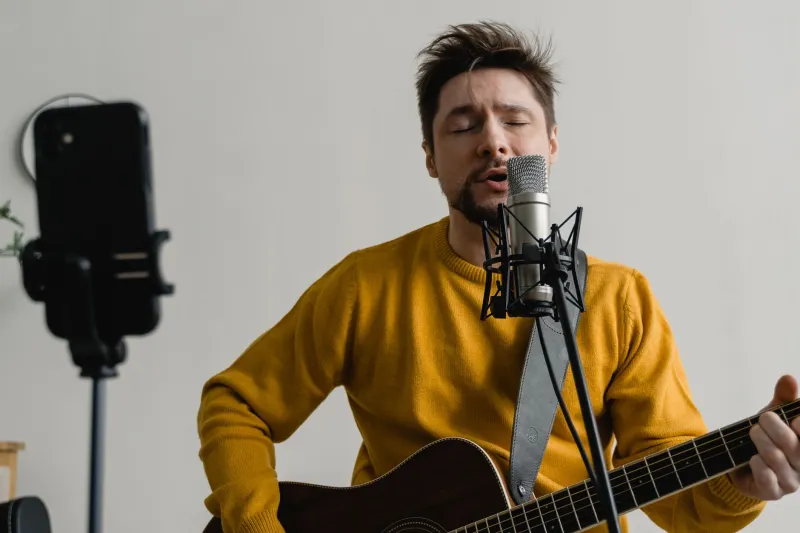
There's a version of the conversation that goes something like this: covers are what you do when you run out of ideas. Filler content. Something to toss up on a Tuesday when the algorithm is breathing down your neck and the original material isn't ready yet. That take is wrong, and honestly, it's doing a lot of artists a disservice.
Jay P has been open about the role that covers and reinterpretations have played in his creative development — not as a fallback, but as a deliberate practice. A way of reverse-engineering what makes a great song work, and in doing so, figuring out what makes his version of a great song different from anyone else's.
The truth is, covering someone else's work is one of the most revealing things you can do as an artist. It strips away the safety net of originality and forces you to make decisions. And those decisions? That's where your voice lives.
The Anatomy of Someone Else's Vision
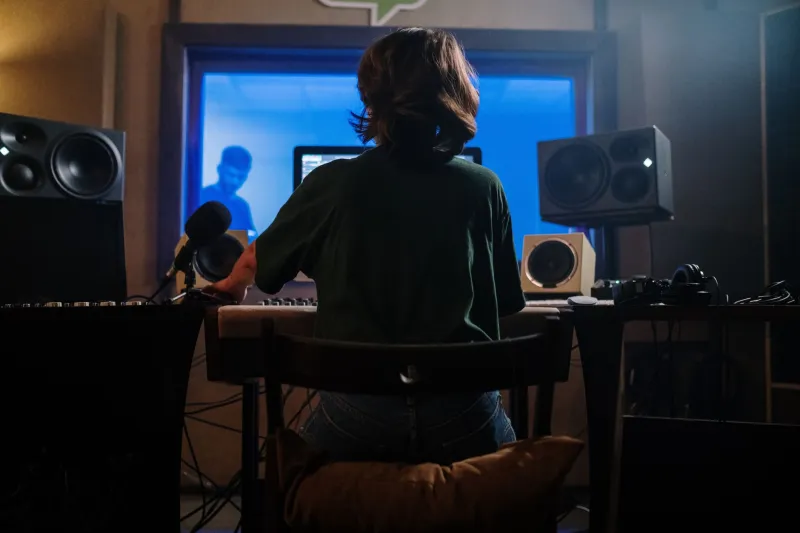
When you sit down to cover a track, you're essentially doing an autopsy on a living thing. You're pulling apart the structure, the chord progressions, the lyrical choices, the dynamics — all the decisions someone else made — and you have to figure out what to keep, what to ditch, and what to completely transform.
That process is educational in a way that writing from scratch never quite is. When you're building something original, you're working from instinct. You reach for the sounds and phrases that feel natural, which means you're constantly staying inside your own comfort zone without even realizing it. A cover breaks that pattern. It hands you a blueprint you didn't draw and asks you to either follow it or tear it up.
Jay P has talked about learning more about his own production habits from deconstructing other people's records than from months of solo studio time. When you study how someone else built the tension in a bridge, or why a certain vocal melody lands the way it does, you start noticing what you would have done differently — and that gap between their instinct and yours is exactly where your identity as an artist lives.
The Gap Is the Gold
Here's the part that doesn't get said enough: the most interesting covers aren't the ones that nail the original. They're the ones that expose the distance between two artistic perspectives.
Think about the covers that have genuinely moved you. Johnny Cash doing Nine Inch Nails. Jeff Buckley turning a Leonard Cohen poem into something heartbreaking. Jimi Hendrix remaking a Bob Dylan track and making it sound like it always belonged to him. None of those work because the artist perfectly replicated the source material. They work because the artist's interpretation was so specific, so deeply personal, that the song became something new.
That gap — the space between what the original did and what you did with it — is essentially a self-portrait. It tells you and your audience something real about how you hear music, what you value, what moves you. And for an independent creator trying to build a genuine connection with fans, that kind of authenticity is worth more than any algorithmic trend.
Building Chops Without Losing Soul
There's also the pure technical argument, which is worth making plainly: covering difficult material makes you better at your craft. Full stop.
If you're a producer and you try to recreate the warmth of a classic soul record, you will learn things about sampling, layering, and frequency that no tutorial can teach you. If you're a vocalist and you take on a song that sits outside your natural range or style, you'll discover muscles you didn't know you had — or didn't know you were neglecting.
Jay P has approached certain covers almost like training exercises, choosing records specifically because they challenge something he wants to develop. That's not lazy content creation. That's a musician treating their craft with the same discipline a basketball player brings to free throw drills. The practice isn't the performance — but it shapes everything that eventually becomes one.
What Fans Actually Hear
From a fan's perspective, a well-executed cover does something that original material sometimes can't: it gives them a point of reference. When Jay P puts his spin on a track someone already loves, that fan gets to experience both the familiar and the unexpected at the same time. They already have an emotional attachment to the source material, and now they're seeing it filtered through a lens they're just getting to know.
That's a powerful introduction. It's like meeting someone at a party who loves the same obscure film you do, but has a completely different read on why it's great. Suddenly you're in a real conversation. You're not just exchanging pleasantries — you're getting somewhere.
Covers create that kind of entry point. They say, here's something you already know, and here's what I hear when I listen to it. For fans who are still figuring out whether they connect with an artist's original work, that shared reference point can be the thing that tips them over into genuine loyalty.
Reinterpretation as a Creative Statement
The best covers aren't passive. They're arguments. They're an artist saying, this song means something specific to me, and I'm going to show you exactly what that is.
That's not a lack of originality. That's a creative statement. And in a landscape where independent artists are constantly being told to produce, post, and repeat, there's something genuinely countercultural about slowing down enough to fully inhabit someone else's work before making it your own.
Jay P's approach to covers has never been about riding the coattails of a bigger name or chasing search traffic on a trending track. It's been about using the process as a form of self-discovery — asking what this song means to him, what he'd change, what he'd keep sacred, and what that answer says about who he is as an artist.
At the end of the process, the cover might sound like someone else's song. But the choices inside it? Those are entirely his own.
Try It Yourself
If you're a creator sitting on the fence about whether covers are worth your time, here's the real question to ask yourself: Is there a song out there that you hear differently than everyone else does? One that you've always wanted to reshape, slow down, speed up, strip back, or completely blow out?
If the answer is yes, that instinct is telling you something. Chase it. The cover you make might not be your most-streamed piece of content. But what you learn in the process of making it — about your own voice, your own instincts, your own gaps — could end up shaping everything else you create for years.
Someone else wrote the song. But the story you tell with it? That one's all yours.