Your Vault Is a Gold Mine: How Jay P Turns Old Work Into New Money
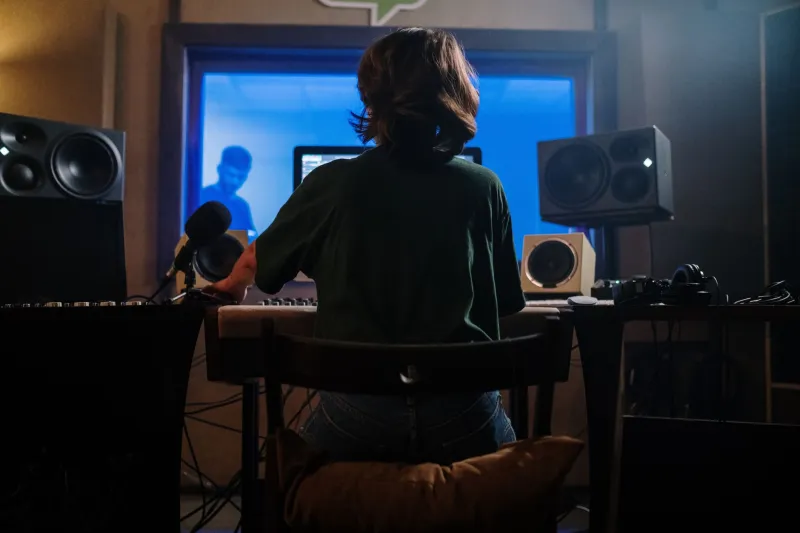
There's a hard drive somewhere in Jay P's studio that probably holds more unreleased music than most artists put out in an entire career. Beats that never got vocals. Half-finished tracks that got shelved when the vibe shifted. Alternate versions of songs that almost made the cut. For a long time, that drive just sat there collecting digital dust.
Then something clicked.
"I stopped thinking about that folder as a graveyard," Jay P says. "Started seeing it like a sample pack I hadn't flipped yet."
That mental shift — from archive to asset — is the foundation of one of the smartest moves any independent artist can make. You don't always have to create something new to generate new revenue. Sometimes the work is already done. You just have to figure out how to repackage it.
The Hidden Economy Living in Your Back Catalog
Here's a truth the music industry doesn't advertise loudly enough: your old material has value that doesn't expire. A beat you made three years ago can still land a sync license. A song that flopped on release can find a whole new audience on a platform that didn't exist when you dropped it. An instrumental version of a track you love might be exactly what a content creator on the other side of the country needs for their YouTube channel.
The question isn't whether the value is there. It's whether you're doing anything to unlock it.
Jay P started by doing a full audit — going back through every project, every session file, every demo — and asking one simple question about each piece: What could this be used for that it hasn't been used for yet? That question alone opened up a dozen different directions.
Licensing: The Long Game That Pays Quietly
Sync licensing is one of the most underutilized revenue streams for independent artists, and it's wide open if you know how to approach it. Film, TV, advertising, video games, podcasts, online content — all of these spaces need music constantly, and they're not always looking for the biggest names. They're looking for the right sound.
Jay P started submitting older instrumental tracks to sync licensing platforms like Musicbed, Artlist, and Pond5. Tracks that had no vocal hooks, no clearance issues, no complicated splits — just clean, well-produced music that could live underneath a scene or a story. Within a few months, a track he'd made years earlier for a project that never happened was licensed for a regional commercial campaign.
"It wasn't a huge check," he admits. "But it was money from something I'd already forgotten about. That felt like finding cash in an old jacket."
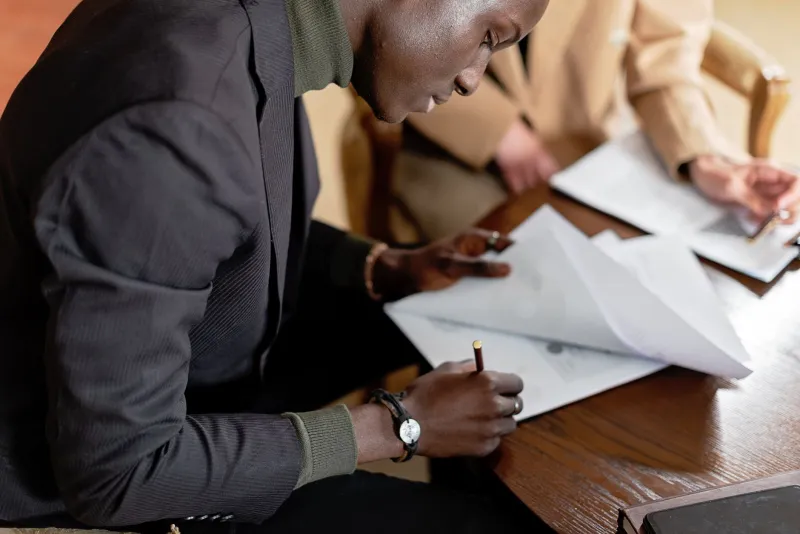
The key is making sure your catalog is actually accessible and properly registered. That means clearing up any sample issues, getting everything registered with your PRO (ASCAP, BMI, or SESAC if you're in the US), and making sure metadata is clean and accurate. Boring stuff, but it's what makes the money flow.
Reimagining for New Platforms and New Ears
Not every piece of old work needs to be licensed out. Sometimes it just needs a new context.
Jay P took a handful of older tracks and started rebuilding them specifically for short-form video platforms. Stripped them down, tightened the intros, made them hook-forward in a way that works for a 15-to-30-second clip. Songs that felt too slow or too long for streaming suddenly had new life as background audio for creators on TikTok and Instagram Reels.
He also started releasing instrumentals separately — something he'd never done consistently before. A lot of artists sit on their instrumentals like they're classified documents. But those beats have their own audience: content creators, aspiring rappers looking for a track to practice on, film students, people who just like to work to instrumental music. Releasing them on platforms like BandLab or even just making them available for lease through your own site opens up a whole secondary market.
"The instrumental version of a song I dropped two years ago is now one of my most-played tracks," Jay P says. "Just because I finally made it available separately."
Bundles, Archives, and the Fan Who Wants Everything
Your most dedicated fans don't just want the hits. They want the whole story.
Jay P started building digital bundles around older projects — packaging an EP with unreleased demos from the same era, handwritten notes about the creative process, alternate mixes, and a short audio commentary track. Sold directly through his own site, no middleman. The people who bought it weren't casual listeners. They were the real ones, the fans who feel personally connected to the work.
"It's not about moving massive volume," he explains. "It's about offering something with real depth to the people who actually care. And those people will pay for that."
This is the Bandcamp model at its best — direct-to-fan, with pricing that reflects the actual value of the experience rather than the race-to-zero economics of streaming. A $15 bundle that includes a piece of creative history is a completely different proposition than a 0.003-cent stream.
Teaching What You Know Through What You've Made
One angle that often gets overlooked: your old work is also educational content.
Jay P started breaking down older tracks on YouTube and social media — not just to promote them, but to walk people through the production process, the decisions he made, what worked and what he'd do differently. That kind of behind-the-scenes content pulls double duty. It gives new life to material that's already out there, and it builds trust with an audience that wants to understand the craft, not just consume the output.
Some of that content led directly to people buying the original tracks, licensing inquiries, and invitations to workshops and panels. Teaching through your own catalog is a compounding investment.
Starting the Audit
If you've been creating for any meaningful amount of time, you've got material worth revisiting. The first step is just getting organized — going through everything you've made and cataloging it honestly. What's finished? What's close? What's a raw idea that someone else might want to develop?
From there, think about the different markets those pieces could serve. Sync licensing. Direct fan sales. Platform-specific releases. Educational content. Beat leasing. Collaboration opportunities where you bring the foundation and someone else brings the energy to finish it.
The creative vault isn't a storage unit. It's inventory. And inventory, properly managed, is how you build something sustainable.
Jay P isn't starting from scratch every time he wants to generate income. He's working smarter with what's already there — and the catalog keeps paying him back.