Getting Paid Like You Mean It: The Artist's Guide to Knowing Your Worth
Let's be real for a second. Nobody sits you down in music school — or art school, or wherever you figured out you had something to say — and walks you through how to actually get paid for it. They teach you craft. They teach you theory. They might even teach you how to build an audience. But the money talk? That part gets skipped. Every time.
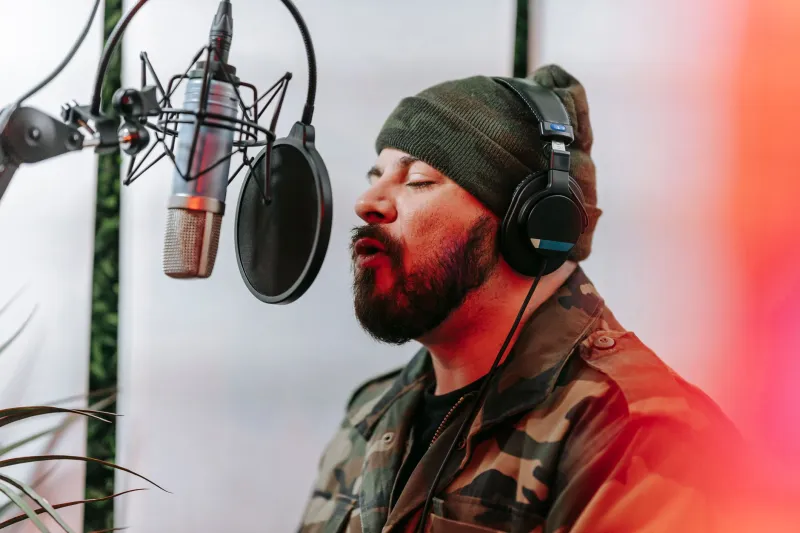
For years, Jay P ran on vibes and goodwill. Playing shows for exposure. Sending beats for free because maybe this one would lead to something. Licensing artwork for whatever the client offered because at least somebody wanted it. Sound familiar? It should. This is basically the default setting for independent creators in America, and it is quietly exhausting.
The shift didn't happen overnight. But it happened. And it started with one uncomfortable realization: undercharging isn't humility. It's self-sabotage dressed up as generosity.
The Myth of the Starving Artist (And Why We Keep Buying It)
There's this story American culture loves to tell about artists — that the struggle is part of the brand. That real creatives are supposed to sacrifice, to hustle without complaint, to treat money like something that corrupts the purity of the work. It's romantic from the outside. From the inside, it just means you can't pay rent.
The truth is, that narrative benefits everyone except the artist. It keeps creators desperate and grateful for any opportunity, which makes them easier to underpay. Galleries, labels, brands, clients — they all win when artists believe that charging fairly somehow makes them a sellout.
Jay P bought into that story longer than he wants to admit. There was this deep-seated fear that putting a real price on the work meant putting a real price on the work — and what if nobody paid it? What if the number made people walk away? What if it turned out the market didn't value what he was making as much as he did?
Those questions are terrifying. They're also the wrong questions entirely.
What Pricing Actually Communicates
Here's the thing about rates that took a while to click: your price is a signal. It tells people how to perceive what you're offering before they've even heard a bar or seen a brushstroke.
Low prices don't make you more accessible. They make people wonder what's wrong. Premium pricing, on the other hand, creates expectation — and then you deliver on it. That's the whole game.
When Jay P finally raised his rates for custom music work, something unexpected happened. The clients who pushed back or disappeared? They were replaced by clients who were actually serious. The projects got more interesting. The conversations changed. People stopped treating the work like a commodity and started treating it like what it was — something specific, something skilled, something that took years to be able to do.
Pricing is positioning. That's not a cynical take. That's just how it works.
Learning to Negotiate Without Flinching
Okay, so you've figured out your rate. Now someone makes an offer that's lower. What do you do?
Most artists fold. Immediately. The counteroffer comes in and the instinct is to meet them halfway, or lower, just to close the deal and avoid the awkwardness. But negotiation isn't conflict — it's conversation. And the person on the other side of that conversation almost always has more room than their first offer suggests.
A few things that actually help:
Know your floor before you start. What's the minimum you'd accept and still feel good about the project? Have that number locked in before any discussion starts. When you know your floor, you can negotiate from a calm place instead of a reactive one.
Let silence do some work. After you state your rate, stop talking. The discomfort of silence makes a lot of people want to fill it — and sometimes they fill it by moving toward your number.
Offer options, not discounts. Instead of dropping your price, restructure the package. Fewer revisions. A longer timeline. Licensing limited to one platform instead of all of them. You protect the rate while giving them a way to get what they need at a price point that works.
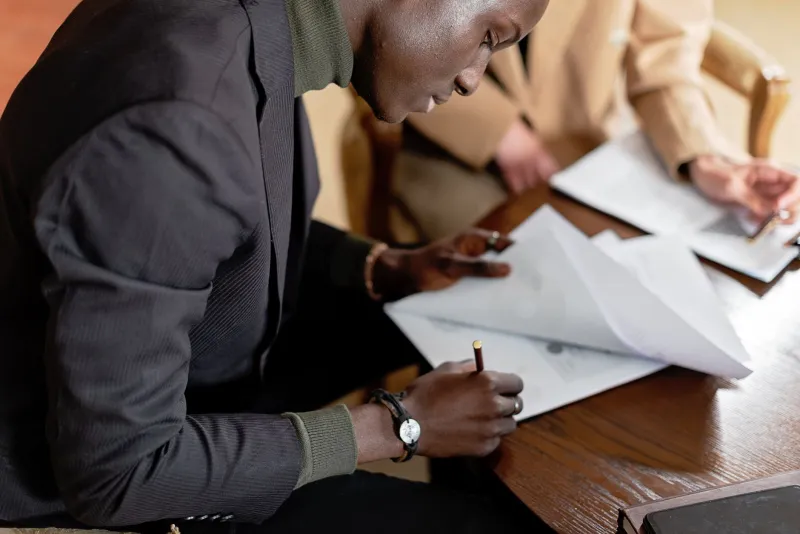
Get it in writing. Always. A handshake and a good vibe are not a contract. Doesn't matter if it's a friend, a longtime collaborator, or someone who seems totally trustworthy. Put it in writing. Every time.
The Integrity Question
Somewhere in this conversation, the word "sellout" is going to come up — if not out loud, then in the back of your head. Does charging more mean you're chasing money instead of art? Does caring about the business side mean you've lost something?
Honestly? No. The opposite is closer to true.
Financial stability is what makes creative freedom possible. When you're not scrambling to cover your phone bill, you can afford to say no to the projects that don't fit. You can take time between releases instead of rushing something out because you need the check. You can invest in better equipment, better collaborators, better everything.
Charging what you're worth isn't about greed. It's about sustainability. It's about building something that can actually last instead of burning yourself out on the hamster wheel of chronic undervaluation.
Jay P's best work — the stuff that feels most honest, most alive — came out of periods when the financial pressure was off. That's not a coincidence.
Practical Steps to Start Right Now
If you're reading this and feeling that uncomfortable recognition, here's where to actually begin:
-
Research what others charge. Talk to peers. Look at industry rate guides. The Graphic Artists Guild publishes pricing standards. Music licensing databases show you what comparable tracks go for. Data beats guessing.
-
Calculate your actual costs. Software subscriptions, gear maintenance, studio time, the hours you put in — add it all up. Your rate needs to cover that and then some.
-
Raise your rate by 20% and see what happens. Seriously. Just try it. Most people are surprised to find it doesn't kill the demand.
-
Create a simple contract template. There are free resources online. Volunteer Lawyers for the Arts offers support in many US cities. You don't need to figure this out alone.
-
Practice saying your rate out loud. This sounds silly but it matters. When you can say your number without your voice going up at the end like a question, people hear confidence. Confidence closes deals.
The Long Game
This isn't a one-time fix. It's a mindset you build over time, one negotiation at a time, one invoice at a time. There will still be moments where the self-doubt creeps in, where the fear of losing a deal makes you want to cut the price in half just to make the anxiety stop.
Feel that. And then hold the line anyway.
The artists who are still here, still making things, still growing — they figured out that the work deserves to be compensated. Not because the money is the point, but because the money is what makes the point possible.
You put everything into what you create. It's okay to expect something back.