Two Brains, One Vision: The Way Jay P Approaches Creative Collaboration
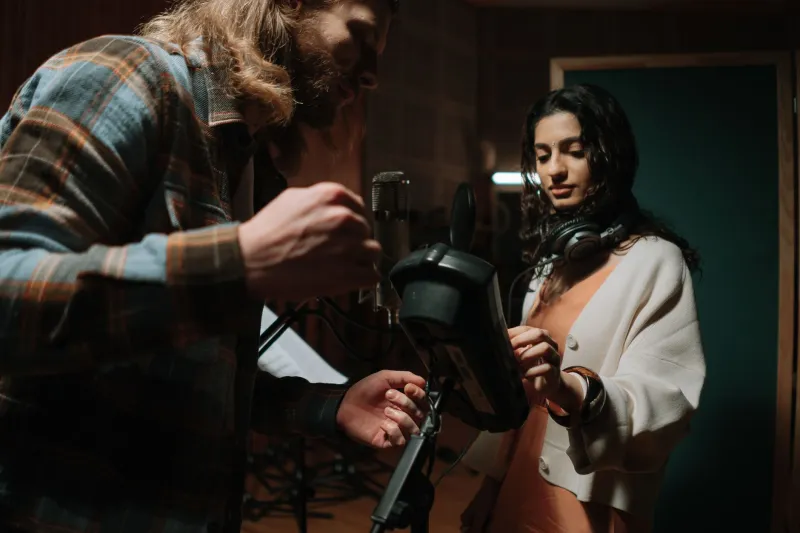
There's a version of collaboration that looks good on paper — two names on a track, a shared Instagram post, maybe a split credit — and then there's collaboration that actually means something. The kind where you walk out of the session genuinely surprised by what you made together. That second kind? That's what Jay P is always chasing.
Collaborating with other artists, producers, and creators is baked into the DNA of everything happening at jayp.net. It's not a networking strategy. It's not a clout move. It's just the honest truth that great creative work rarely happens in a vacuum.
So here's a real look at the philosophy and the practical playbook behind making creative partnerships work — not just once, but consistently.
Start With Vibe, Not Resume
The first question Jay P asks when considering a collaboration isn't what have you done? It's what are you feeling right now?
That might sound soft, but it's actually the most practical filter there is. Creative energy is contagious. Someone who's genuinely fired up about a new direction, a new sound, or a new visual concept is going to bring something real to the table. Someone who's coasting on past success? That energy shows up in the work too.
This doesn't mean ignoring someone's portfolio or catalog. Obviously, you want to work with people who can execute. But the vibe check comes first. If the conversation feels forced or transactional before a single note is played or a single line is drawn, that tension doesn't disappear once you're in the studio — it gets louder.
So reach out to people whose current work excites you. Not just their greatest hits. What are they making right now? That's where the real conversation starts.
Get Specific About What You Each Bring
One of the fastest ways a collaboration falls apart is when both people assume the other person knows their role. Ambiguity is the enemy of good creative work.
Before diving into any project, Jay P makes a point of having a direct, no-ego conversation about what each person is bringing to the table. Not in a corporate "define your deliverables" kind of way — more like, hey, what do you actually want to do here?
Maybe one person wants to handle all the production and just needs someone to write toplines. Maybe both people want to co-write and split production duties. Maybe it's a visual artist and a musician figuring out how a piece of art connects to a song. Whatever the setup, clarity early on saves a lot of headaches later.
And here's the thing — those conversations also reveal a lot about whether someone is actually a good collaborator. If they're resistant to defining roles or weirdly defensive about territory before anything's even been created, that's useful information.
Navigate Creative Differences Like a Pro
Even the best creative partnerships hit friction. That's not a red flag — it's actually a sign that both people are invested. The question is how you handle it.
Jay P's approach: separate the idea from the ego. When something isn't working, the conversation has to be about the work, not about who came up with what. "I don't think that bridge is landing" is a productive sentence. "That was your idea and it's not working" is a conversation-ender.
It also helps to build in checkpoints instead of waiting until everything is finished to share feedback. The further along a project gets, the more attached everyone becomes to the current version — even if it's not the best version. Early, honest feedback is a gift, even when it stings a little.
When you hit a genuine creative disagreement — and you will — try the "yes, and" approach before the "no, but." Explore the idea before you dismiss it. Sometimes the thing that sounds wrong in concept actually opens a door you wouldn't have found otherwise.
Protect the Relationship, Not Just the Project
Here's something that doesn't get talked about enough: the relationship between collaborators is worth more than any single project.
Jay P has worked with producers, visual artists, videographers, and fellow musicians — and the ones who turn into long-term creative partners are the ones where there's mutual respect beyond the work itself. That means checking in as a person, not just as a collaborator. It means celebrating their wins even when they're not directly connected to your project. It means being honest when something isn't working without making it personal.
A good creative partner is genuinely hard to find. When you find one, treat that relationship like the asset it is.
How to Find the Right People
If you're just getting started building your collaborative network, here's what actually works:
Go local first. There's a whole creative ecosystem in your city or town that doesn't show up in algorithm-driven feeds. Open mics, gallery shows, local music events, community art spaces — these are where real connections happen. Jay P has found some of the best collaborators not on a major platform, but at a small venue on a Tuesday night.
Engage genuinely online. Don't just follow people and like their posts. Actually comment, share, respond to stories. Build a real presence in the communities you want to be part of. Collaboration opportunities come from relationships, and relationships start with genuine engagement.
Make the first move. Most people are waiting for someone else to reach out. Be the one who does. A simple, specific message — "I've been listening to your last EP on repeat and I'd love to work on something" — goes a long way. Specific is always better than generic.
Be a good collaborator before you're a great one. Show up on time. Meet your deadlines. Communicate when something changes. The reputation you build as a collaborator follows you everywhere in the creative world.
Amplify Each Other, Always
The final piece of the collaboration playbook is simple: when the work is done, show up for each other.
Share the project. Tag your collaborator. Tell your audience who they are and why they're worth knowing. A rising tide lifts all boats, and in the creative world, visibility is currency. When you help amplify someone else's work, you're building goodwill and strengthening a network that will come back around.
Collaboration isn't a transaction. It's a relationship. And the best creative partnerships — the ones that produce the work you're most proud of — are built on trust, clarity, and a genuine excitement about what you can make together.
That's the playbook. Now go find your people.