No Label, No Problem: How Independent Creators Are Rewriting the Rules
There was a time when making it in music meant one thing: getting signed. You needed a label, a manager, a publicist, and a whole army of gatekeepers to greenlight your existence. If the right people didn't pick up the phone, you were playing dive bars forever — or worse, giving up entirely.
That era isn't completely dead, but it's on life support. And honestly? Good riddance.
Streaming platforms cracked the door open. Social media kicked it off the hinges. And now, artists like Jay P are walking through that opening and building something real on the other side — not because the industry handed them a shot, but because they stopped waiting for one.
The Double-Edged Sword of Streaming
Let's be straight about something: Spotify, Apple Music, and their cousins didn't save independent artists. They complicated things in a whole new set of ways.
Yes, distribution got democratized. You can upload a track today and have it live on every major platform by the end of the week without a label deal. That's genuinely remarkable. But the economics? They're brutal. Streaming royalties average somewhere between $0.003 and $0.005 per stream, which means you need millions of plays just to see rent money. For most indie artists, that math doesn't work — at least not on its own.
And then there's the algorithm. The same technology that's supposed to surface your music to new listeners is also designed to reward artists who already have momentum. Getting cold-started on a playlist without an existing fanbase is like trying to win a race that started without you. The platform is neutral in theory, but in practice, it tends to amplify what's already working.
That said, streaming isn't the enemy. It's a tool. The artists winning right now are the ones who figured out how to use it without depending on it.
Going Direct: The Model That Actually Pays
One of the biggest shifts happening in independent music right now is the move toward direct-to-fan revenue. Instead of chasing streams and hoping the algorithm gods smile your way, artists are building relationships where fans pay them directly — and both sides get something better out of it.
Platforms like Bandcamp have been doing this for years, letting artists set their own prices, sell limited vinyl runs, and connect with listeners who actually want to support the work. Patreon and its alternatives let creators offer tiered memberships — early access to tracks, behind-the-scenes content, exclusive art prints, whatever makes sense for the brand.
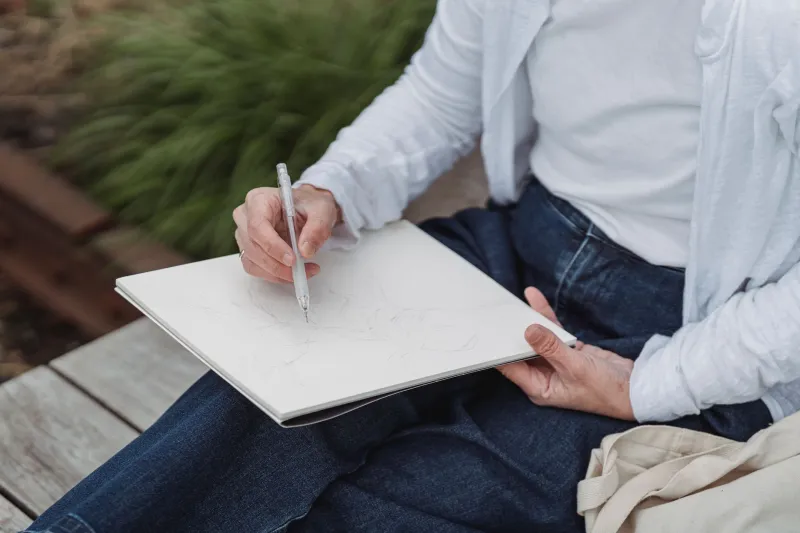
For someone like Jay P, who works across both music and visual art, this kind of model is almost tailor-made. A fan who loves a track might also want the digital art that went with it, or a signed print, or a limited cassette. The creative output becomes a whole ecosystem instead of a single product dropped into the void.
The key is trust. Direct-to-fan only works when people genuinely care about the artist behind the work. Which is why community building isn't optional anymore — it's the whole job.
The Resurgence of Community-Driven Distribution
Here's something that doesn't get talked about enough: word of mouth never stopped being the most powerful marketing tool on the planet. It just moved online.
The artists making real noise right now aren't necessarily the ones with the biggest ad budgets or the most algorithmic luck. They're the ones with tight, engaged communities — Discord servers where fans actually talk to each other, email lists that people open, local scenes that translate into national buzz.
Jay P has always understood this. The work isn't just the music or the art — it's the conversation around it. Showing up consistently, being real with the people who support you, letting them into the process. That's what turns a casual listener into a ride-or-die fan who's going to tell three friends and show up to the next show.
There's also been a genuine resurgence of physical and community-based distribution. Vinyl is selling again. Zines are back. Local record shops are hosting events. Independent festivals are popping up in cities that major tours skip entirely. These aren't nostalgia plays — they're recognition that people want experiences that feel human, not algorithmic.
Alternative Platforms Worth Paying Attention To
Beyond the big streaming names, a handful of platforms have been quietly building infrastructure that actually serves independent artists:
Bandcamp remains one of the most artist-friendly platforms in existence. The revenue split is fair, discovery is real, and the fanbase skews toward people who actively want to support independent music.
SoundCloud has had its ups and downs, but its creator tools and the ability to engage directly in comments still make it a legitimate space for building early buzz.
YouTube — underrated as a music platform. Long-form content, music videos, studio sessions, and vlogs all live in the same place. The ad revenue isn't life-changing, but the discoverability and the ability to tell a fuller story about your work is genuinely valuable.
Substack and Ghost for the writers and visual artists in the mix — newsletter platforms are having a serious moment, and artists who combine music with storytelling or visual work are finding real audiences there.
None of these are magic. All of them require consistent work. But together, they add up to something that looks a lot like a sustainable career.
The Mindset Shift That Makes It All Work
The hardest part of going independent isn't the logistics — it's the mental shift. You have to stop thinking like someone waiting to be discovered and start thinking like someone building a business around work they believe in.
That means being strategic without being cynical. It means releasing music on a schedule that makes sense for your life, not just whenever you feel like it. It means understanding your numbers, knowing who your audience is, and making decisions based on real data instead of vibes alone.
But it also means staying connected to why you started making things in the first place. Because the moment the hustle swallows the art, you've lost the whole point.
Jay P operates in that tension every day — between the business side of building a brand and the pure, messy joy of creating something new. That balance is the job. And in 2024, it's never been more possible to do it entirely on your own terms.
The gatekeepers aren't gone. But for the first time in a long time, you don't really need them.