Slow Burn: How Niche Artists Are Building Real Careers Without the Viral Moment
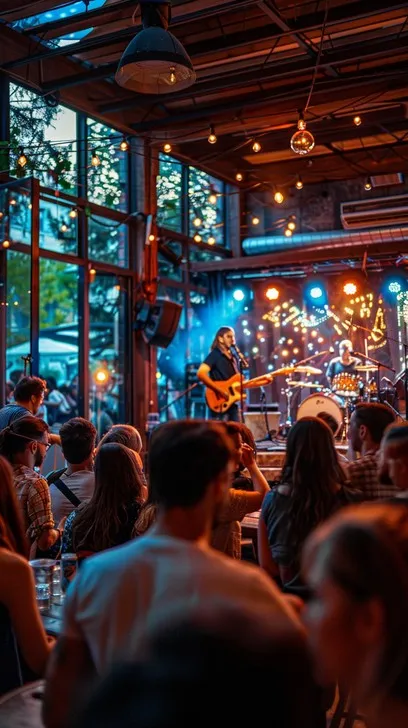
Photo: independent musician performing intimate small venue concert crowd, via images.stockcake.com
Everybody's chasing the moment. The fifteen seconds of fame that blows up a TikTok, lands in a Spotify editorial playlist, or gets picked up by some culture blog with a million followers. And yeah, when it happens, it feels like the whole world just opened up. But ask any artist who's been through a viral spike what comes after, and a lot of them will tell you the same thing: the crowd shows up, looks around, and leaves just as fast.
Virality is a weather event. You can't control it, you can't really plan for it, and it doesn't care about your catalog.
So what do you do if you're an independent artist who's building something real — something that lasts — without waiting around for lightning to strike? You go niche. You go deep. And you play the long game.
The Myth of Needing Massive Numbers
Here's something the algorithm doesn't want you to believe: you don't need a million followers to have a thriving creative career. What you need is the right followers — people who are genuinely locked in to what you're doing, who buy merch, who show up to shows, who share your music because it means something to them personally.
Kevin Kelly's old idea about "1,000 true fans" gets thrown around a lot, but it holds up. If a thousand people care enough about your work to spend fifty bucks a year on it, that's fifty thousand dollars. That's a real number. That's a career. And building those kinds of connections is way more achievable than cracking the algorithm's top tier.
The artists who get this — who stop obsessing over reach and start obsessing over resonance — are the ones who tend to stick around.
Finding Your Corner of the Internet
One of the biggest shifts an independent artist can make is accepting that the mainstream platforms might not be your home. Instagram and TikTok are crowded, loud, and built around trends that cycle out every few weeks. If your sound or your aesthetic doesn't fit neatly into whatever's popping off right now, fighting for space there can feel like screaming into a hurricane.
But there are corners of the internet that are quieter, more intentional, and honestly more loyal. Bandcamp still has a dedicated community of music listeners who actually want to support artists directly. Discord servers built around specific genres or creative communities can turn casual listeners into genuine collaborators and advocates. Substack newsletters let you talk to your audience without a feed algorithm deciding who gets to see it.
The point isn't to avoid all the big platforms — it's to not depend on them for your survival. Diversify where you show up. Own your email list. Build spaces where you control the relationship.
Consistency Over Virality
This one's boring, but it's true: showing up consistently matters more than showing up spectacularly.
Dropping a track every six months and hoping one of them blows up is a gamble. Releasing music regularly, engaging with listeners in real time, documenting your process, letting people into the work — that's how you become someone's favorite artist. Not because you had one big moment, but because you were there, over and over, in a way that felt genuine.
That doesn't mean you have to flood the internet with content every day. It means being intentional about how and when you show up, and making sure that when you do, it actually means something. Quality and consistency aren't opposites. Find a rhythm that's sustainable for you and stick to it.
Collaboration as a Growth Strategy
One of the most underrated moves for a niche artist is connecting with other niche artists. Not for clout — for community. When two independent creators who share a similar audience collaborate on something, both of their fanbases get introduced to someone new. And because the audiences are already aligned in taste, the conversion rate tends to be way higher than running an ad or chasing a playlist placement.
This can look like a feature on a track, a joint live stream, a co-release, or even just publicly hyping each other's work. It's organic, it's genuine, and it builds goodwill in a scene that tends to reward that kind of energy.
The music industry has always run on relationships. That part hasn't changed — the platforms just shifted.
Playing the Long Game Looks Different in Year Three
Here's the thing about slow, sustainable growth: it compounds. An artist who builds two hundred genuine fans this year, and two hundred more next year, isn't just at four hundred. Those early fans bring people in. They talk. They share. The community starts doing some of the work for you, because they're invested in it.
Going viral might get you to ten thousand followers in a week. But patient, authentic audience-building might get you to ten thousand followers who actually care — and that second group is going to sustain a career in a way the first one probably won't.
The algorithm doesn't know you yet. That's okay. The right people will find you. Build something worth finding, stay consistent, and trust the process. The slow burn is still a burn.