Stop Feeding the Machine: Why Artists Who Stay Weird Are Winning

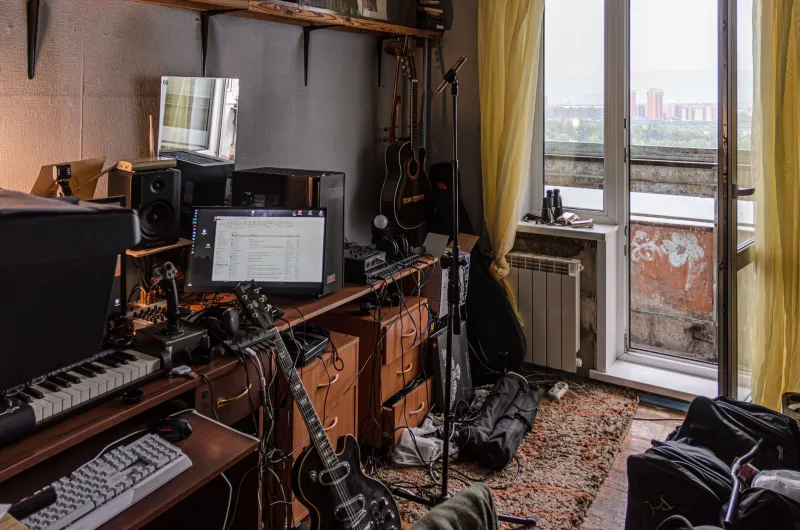
Photo by Photo by Denis Gorbuleac on Unsplash on Unsplash
Everybody's got a hot take on the algorithm. Post at 7 PM. Use these hashtags. Keep your videos under 60 seconds. Hop on this sound before it peaks. The advice is endless, and most of it is genuinely useless — not because it's wrong about how the platforms work, but because it completely misses the point of why people fall in love with artists in the first place.
Here's the thing nobody wants to say out loud: the algorithm doesn't actually know what's good. It knows what's performing. Those aren't the same thing, and confusing the two is how you end up making content that racks up views and leaves you feeling completely empty.
The Niche Is the Opportunity
For a long time, the music industry operated on a scarcity model. Radio slots were limited. Label budgets went to artists who could fill arenas. If your sound was too weird, too regional, too specific, you were basically invisible. The gatekeepers decided what got heard, and they were playing it safe almost by definition.
Streaming and social media blew that model apart. The same platforms people complain about — TikTok, Instagram, YouTube, Spotify — actually removed the most significant barriers that ever existed between artists and listeners. The problem isn't that the platforms exist. The problem is that a lot of artists looked at those platforms and tried to reverse-engineer popularity instead of just... making their thing.
Consider what happened with artists like Phoebe Bridgers, who spent years building a deeply personal, sonically distinctive catalog before mainstream attention found her. Or Billy Strings, who committed so hard to progressive bluegrass that he ended up headlining festivals most artists would kill to play. Neither of them got there by studying what was trending. They got there by being relentlessly, almost stubbornly themselves — and eventually, the algorithm caught up to them.
What Authentic Actually Means
Authenticity is a word that gets thrown around so much it's started to lose its meaning. But for artists, it has a pretty practical definition: are the creative decisions you're making driven by what excites you, or by what you think will perform well?
The two aren't always mutually exclusive. Sometimes the thing that genuinely lights you up also happens to connect with a huge audience. But when you start making decisions primarily based on performance metrics — tweaking your sound to chase a trend, adjusting your visual aesthetic because something else is getting more engagement — you're essentially outsourcing your creative identity to an algorithm that has no investment in your long-term career.
And audiences can feel that. They might not be able to articulate it, but they feel the difference between an artist who is fully inhabiting their vision and an artist who is performing a version of what they think people want. One creates fans. The other creates passive consumers who will move on the second something newer comes along.
Platform Gatekeeping Is Real, But It's Not the Whole Story
Look, it would be dishonest to pretend that algorithmic gatekeeping doesn't create real obstacles. Certain sounds get pushed. Certain aesthetics get amplified. If you're making something genuinely left-of-center, you're probably not getting handed a massive organic reach boost out of the gate. That's a legitimate frustration.
But here's what the frustration narrative misses: niche audiences are actually more loyal, more likely to share, more likely to show up for live shows, more likely to buy merch, and more likely to evangelize your work to other people. A smaller, deeply engaged audience is a more sustainable foundation for a career than a large, indifferent one.
The artists who are actually building something durable right now are the ones treating their audience like a community rather than a number. They're responding to comments. They're sharing their process. They're letting people into the weird, specific world of their creative life — not packaging it for maximum algorithmic appeal, but actually inviting people in.
Practical Moves for Artists Feeling Stuck
If you're an artist who's been grinding on the platforms and feeling like nothing is landing, here are a few things worth considering before you overhaul your entire sound to chase a trend.
Go deeper, not broader. Instead of trying to appeal to everyone, ask yourself who the specific person is that needs what you're making. Make it for them. Speak directly to that listener.
Document the process. People are fascinated by how things get made. Sharing your process — the rough drafts, the dead ends, the moments of breakthrough — is inherently more interesting than polished promotional content, and it builds genuine connection.
Stop comparing your metrics to people making different things. A hyper-specific ambient producer and a pop songwriter are playing completely different games. Your engagement rate means something different depending on what you're doing and who you're doing it for.
Give it time. Real audiences take time to build. The artists who look like overnight successes almost always have years of consistent, authentic work behind them that you didn't see.
The Long Game
The algorithm is going to change. It already has, multiple times, and it will keep changing. The artists who built their careers by chasing what the algorithm rewarded last year are constantly scrambling to adapt. The artists who built their careers by being irreplaceably themselves have something no platform update can take away.
Your weird, specific, uncompromising vision is not a liability. It's your most valuable asset. The machine doesn't know you yet — but if you stay the course, it's going to have to figure you out eventually. And when it does, you'll already have the audience waiting.
Keep making your thing. The right people will find it.